Complimentary Smile Monitoring for Kids in Greater Cincinnati
As your child grows, that also means their smile is quickly changing and growing. At Rudmann & Lange Orthodontics, we have the Pawsitive Progress Program. Inspired by Olive, our resident four-legged team member, this kid-friendly smile monitoring program helps parents stay ahead of potential orthodontic concerns with gentle, ongoing evaluations designed specifically for growing smiles.
Many orthodontic issues are easier to manage when they’re identified early, but that doesn’t always mean treatment should begin right away. During these complimentary visits, our team can monitor your child’s development over time, helping determine if and when orthodontic care may be beneficial.
With convenient check-ins every 6–12 months, Pawsitive Progress gives families throughout the Greater Cincinnati Area peace of mind knowing their child’s smile is being watched by experienced orthodontic specialists.
Meet Olive, Your Pawsitive Progress Cheerleader


What Happens During Smile Monitoring Visits?
Every visit is designed to be comfortable, informative, and stress-free for both kids and parents. Here’s an overview of what you can expect during these visits:
We evaluate your child’s teeth, bite, jaw growth, and overall smile development to look for any changes or concerns.
Digital X-rays or scans may be recommended to help us better understand how permanent teeth are developing beneath the surface.
By comparing visits over time, we can monitor how your child’s smile is changing and determine whether future orthodontic care may be beneficial.
We explain everything in simple, easy-to-understand language so you always know what’s happening and what to expect next.
If treatment becomes appropriate, we’ll discuss your options and timing. If everything looks healthy, we’ll simply continue monitoring.
Understanding Smile Monitoring for Kids
Smile monitoring is designed for children who may not need early treatment yet but could benefit from regular orthodontic evaluations as they grow.
Most children begin monitoring around ages 6–7, when a mix of baby teeth and permanent teeth starts to appear. During these visits, Dr. Rudmann or Dr. Lange will evaluate how the teeth, jaws, and bite are developing to help identify the ideal timing for future care — if it’s needed at all.
Here’s what families can expect from the program:
- Ongoing orthodontic check-ins every 6–12 months
- Monitoring of tooth eruption and jaw growth
- Gentle, conservative guidance with no pressure to begin treatment
- Early identification of developing orthodontic concerns
- Personalized recommendations based on your child’s growth
Think of it as a “watchful eye” on your child’s smile, without pressure or commitment.
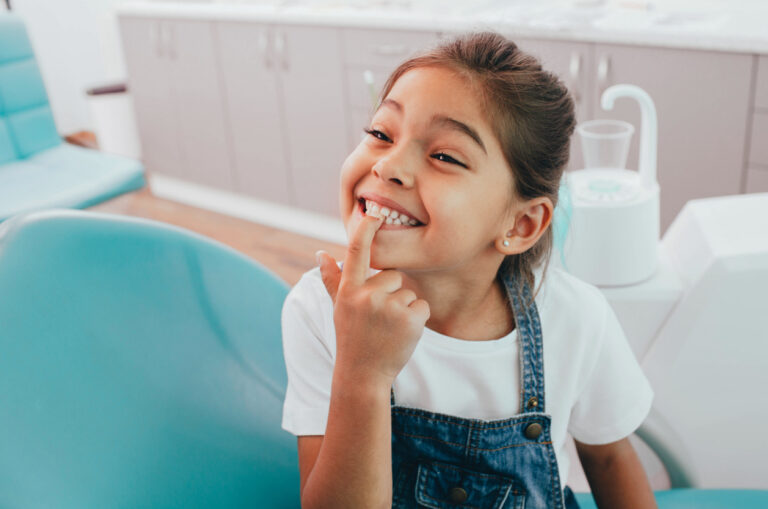
Why Orthodontic Checkups for Kids Matter
Children’s smiles develop differently, and some orthodontic concerns are easier to address when caught at the right time. Smile monitoring lets us track changes gradually and recommend treatment only when it can provide the greatest impact.
Benefits of early smile monitoring include:
- Detecting potential issues before they become more complex
- Guiding jaw growth and tooth development when appropriate
- Reducing the need for more extensive treatment later
- Monitoring bite development and tooth alignment over time
- Providing reassurance and peace of mind for parents
Most importantly, parents gain trusted guidance from a team that prioritizes honest recommendations and long-term smile health.


Who Should Join the Pawsitive Progress Program?
Pawsitive Progress is ideal for children who are still growing and developing but may benefit from periodic orthodontic evaluations.
Children who may be good candidates include:
- Kids around ages 6–7
- Children with a mix of baby teeth and permanent teeth
- Kids who have lost baby teeth earlier or later than expected
- Families who want expert guidance, even if there are no obvious concerns
Parents may also notice signs that their child could benefit from monitoring, such as:
- Crowding or spacing between teeth
- Overbite, underbite, or crossbite concerns
- Difficulty biting or chewing comfortably
- Habits like thumb sucking
- Teeth that appear to come in unevenly
Even if your child’s smile appears healthy, early monitoring can help ensure development stays on track.



Personalized Smile Monitoring for Kids at Rudmann & Lange Orthodontics
Every growing smile deserves expert attention, even if orthodontic treatment isn’t needed right away. Pawsitive Progress at Rudmann & Lange Orthodontics helps parents feel confident and reassured about their child’s smile development with ongoing monitoring, honest guidance, and care that evolves alongside your child.
Schedule a complimentary orthodontic consultation today to learn whether smile monitoring is right for your child.
Frequently Asked Questions About Smile Monitoring for Kids
Smile monitoring is part of our overall approach to early orthodontic care, but it is not active treatment. With smile monitoring, we simply keep an eye on how your child’s teeth, bite, and jaw are developing through periodic visits every 6–12 months. Early treatment, on the other hand, can involve active orthodontic care to address specific concerns while a child is still growing.
In many cases, yes. Every child develops differently, and some children lose baby teeth earlier or later than others. However, delayed tooth eruption can sometimes affect how permanent teeth come in or how the bite develops. Smile monitoring visits allow us to track growth over time and determine whether everything is progressing normally or if future treatment may be helpful.
Waiting too long can sometimes allow developing orthodontic issues to become more difficult to correct later. Problems involving jaw growth, bite alignment, or crowding are often easier to manage when identified early through strategic smile monitoring checkups.
Yes. Many orthodontic concerns develop gradually and may not be obvious to parents during early growth stages. Even children with healthy-looking smiles can benefit from periodic evaluations to monitor jaw development, tooth eruption, and bite alignment.
As children grow, their teeth and jaws continue developing, which can naturally change how the bite fits together. Permanent teeth are larger than baby teeth, and shifting during growth is common. Some bite changes are completely normal, while others may indicate developing orthodontic concerns.
Crowding at this age is fairly common, especially as permanent teeth begin replacing smaller baby teeth. In some cases, mild crowding improves naturally as children grow. However, more significant crowding can sometimes affect tooth eruption or bite development, which is why smile monitoring from a trusted orthodontist is especially helpful.